
Skip to content

PBMC Processing & Isolation Services

Rapid, flexible PBMC processing to support high-quality cellular material for downstream analysis and research.

Speak to Our Laboratory Team
Bio-Rad_QC700_169

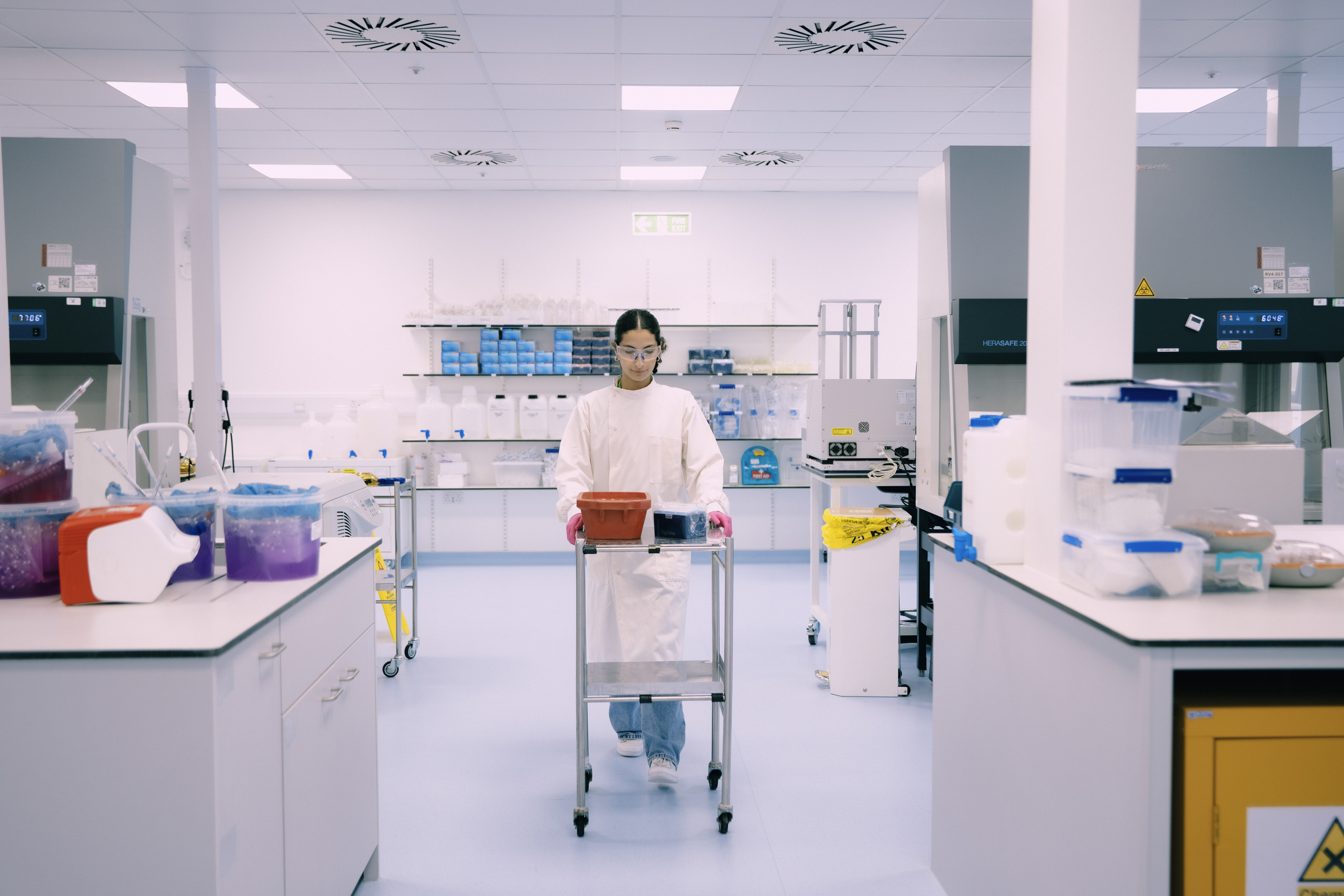
Controlled PBMC processing from collection to analysis

Peripheral blood mononuclear cells (PBMCs) provide valuable cellular material for investigating immune responses, immunogenicity, biomarkers and therapeutic effects across clinical and translational research.

hVIVO provides PBMC processing from fresh whole blood  products, with controlled isolation, cell counting, quality assessment, aliquoting, cryopreservation, storage, and preparation for downstream analysis or controlled transfer.

Our workflows are designed around the scientific objectives and practical requirements of each study, with rapid processing and flexible, controlled sample logistics helping maintain and preserve PBMC quality from collection through to the specific location and point of analysis.
Trusted to Deliver

>96%

cell viability*

*Performance and capacity figures subject to study/sample requirements

<4 hours

from receipt to completion of processing

Flexible

Flexible & bespoke processing protocols

Qualified

Dedicated and qualified resource to support low, medium and high throughput needs in our London facility

What are PBMCs and Why are they Important?

Peripheral blood mononuclear cells (PBMCs) are blood cells with a single, round nucleus and are composed primarily of lymphocytes and monocytes. When collected and processed to a high standard, these immune cells provide a valuable source of cellular material for investigating a wide range of therapeutics and associated cellular immune responses.

Following isolation, PBMCs can be characterised, analysed, cryopreserved, stored or prepared for transfer to another laboratory. The quality of the isolated cells can directly influence their suitability for subsequent research and the reliability of downstream study readouts.

PBMC processing is not restricted to a particular therapeutic area. Depending on the scientific objectives of the study, PBMCs can support research in immunology, infectious disease, oncology and immuno-oncology, therapeutic development and other areas where the characterisation of peripheral immune cells, cellular responses or in support of biomarker strategies is required.

High-quality, well-prepared PBMCs can support a wide range of research questions throughout drug and therapeutic development.

PBMC Processing for Different Research Objectives

Immune profiling

PBMCs can be used as a high-quality starting material to characterise immune-cell populations and investigate changes in cellular composition or phenotype throughout a study.

Immunogenicity

PBMCs can provide cellular material for investigating immune responses following vaccination or therapeutic intervention, including the assessment of cellular immune responses.

Biomarker research

PBMCs can support the investigation of cellular and molecular biomarkers, providing material for downstream analysis according to the objectives of a study.

Therapeutic development

PBMCs can be incorporated into therapeutic development programmes to investigate biological and immune responses associated with treatment.

Oncology and Immuno-Oncology

PBMC processing can support oncology studies in which peripheral immune cell populations, phenotypes, or cellular responses are of particular interest.

hVIVO PBMC Processing Workflow

From sample collection through to isolation, cryopreservation and downstream analysis, each stage of the workflow can influence the quality and stability of the resulting cellular material.

Sample Collection

hVIVO can process PBMCs from fresh whole blood and leukapheresis products. The most appropriate starting material depends on the study design, the required sample volume, and the number of PBMCs required. 

Bone marrow can also be processed where necessary to meet the study requirements.

Sample Transport and Receipt

PBMC quality can begin to deteriorate following blood collection. Timely transport and processing are therefore important considerations when designing the sample workflow.

hVIVO works with sponsors to establish practical collection, transport and processing arrangements within the required processing timeframe, rather than applying a single fixed geographical model.

Learn more

PBMC Isolation

hVIVO uses density-gradient centrifugation (DGC), as part of its standardised PBMC processing workflow, with CPT® tubes as the standard approach and Ficoll density media separation available as an alternative where required.

The process is carried out under controlled laboratory conditions using validated procedures, with flexibility to accommodate study-specific collection and processing requirements.

Learn more

Cell Counting and Quality Assessment

Following isolation, PBMCs can undergo quality assessment including:

  • Cell counting
  • Cell viability assessment
  • Cell recovery assessment

Additional study-specific quality control requirements can be incorporated based on the intended downstream application.

Learn more

Processing and Aliquoting

Following isolation and quality assessment, PBMCs can be prepared and aliquoted according to the intended use of the sample.

This can support immediate or subsequent analysis, cryopreservation, storage or transfer to another laboratory.

Learn more

Cryopreservation

Where required, isolated PBMCs can be cryopreserved under controlled conditions for subsequent use or analysis.

Cryopreservation can be particularly useful when samples are collected at multiple study time points or when downstream analysis is scheduled separately from sample collection.

Learn more

Storage, Transfer or Downstream Analysis

Following processing and cryopreservation, samples can be:

  • Stored for later use
  • Prepared for shipment to a sponsor laboratory
  • Transferred to a specialist external laboratory
  • Progressed to appropriate downstream analysis within hVIVO’s laboratory capabilities.
Learn more

Why Does Processing Time Matter?

PBMC quality can deteriorate after whole-blood collection. Delayed processing may affect cell viability and recovery and contribute to changes in cell characteristics, function and gene expression, with potential implications for downstream analysis.

Rapid and robust processing, followed by appropriate cryopreservation where required, helps support cell viability and minimise changes in cellular function and gene expression. This can provide better-quality cellular material for subsequent analysis and study readouts.

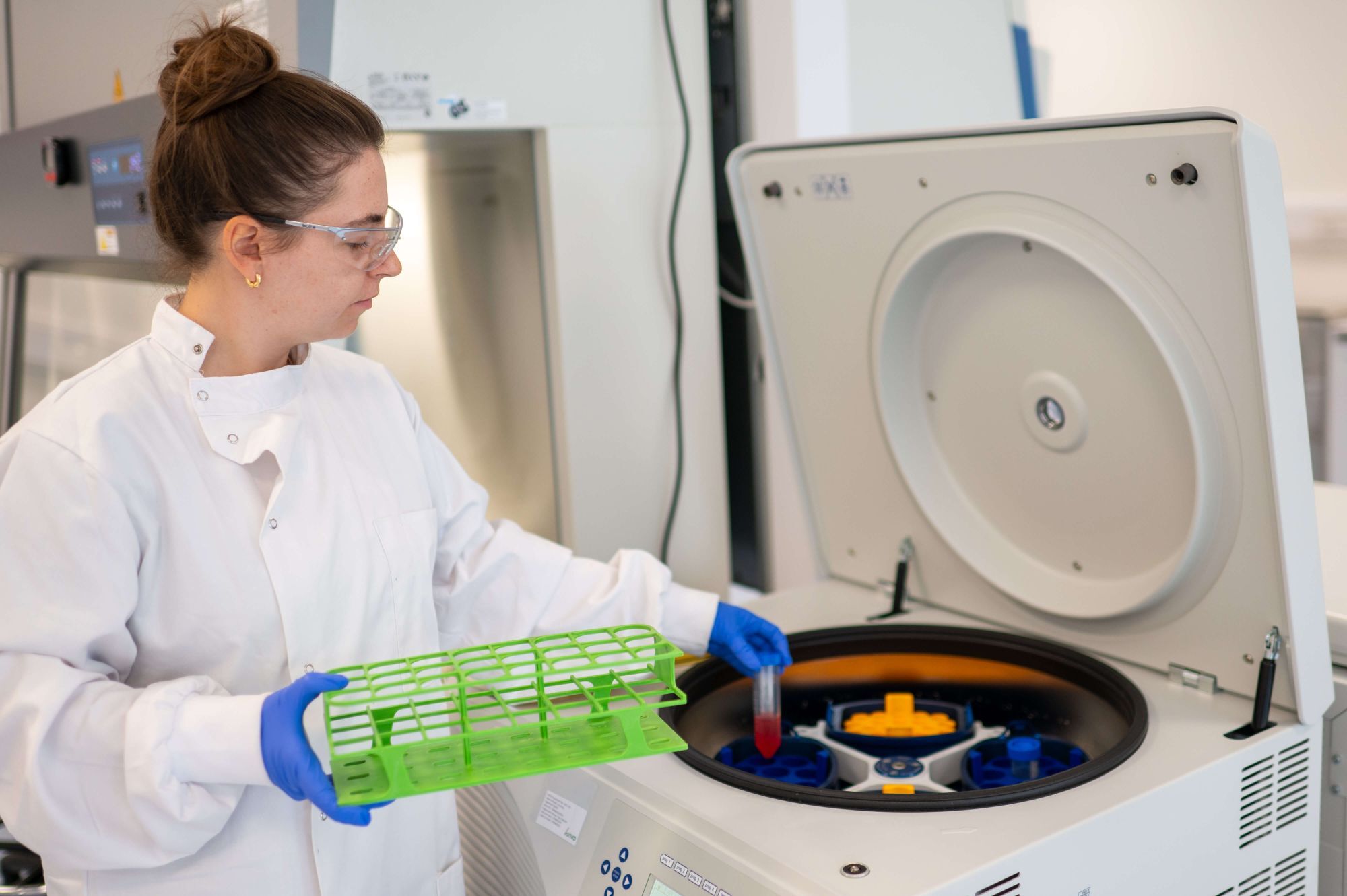
hVIVO aims for a target of less than 4 hours from sample receipt to processing, with samples ideally processed as soon as possible, on the same day. We can offer flexible working hours to accommodate out-of-hours receipt and processing, where needed.

Sample logistics should therefore be considered alongside the study’s processing requirements. hVIVO can work with sponsors to establish an appropriate collection and transport workflow based on the location of the study sites and the required processing timeframe.

hVIVO_Lab_Services_PBMC_Samples-1

Fresh Whole Blood vs Leukapheresis

The appropriate starting material depends on the study design and quantity of cellular material required.

For studies requiring larger quantities of cellular material, leukapheresis can provide substantially more starting material than routine whole-blood collection.

The choice between whole blood and leukapheresis should be considered alongside the planned downstream analysis, number of samples, required cell quantities and overall study design.

Discuss Your PBMC Processing Requirements

Fresh Whole Blood

Routine PBMC isolation

Standard clinical study sampling

Suitable where standard cell quantities are required

Can support longitudinal clinical sampling

Leukapheresis

Larger quantities of PBMCs

Large-scale downstream testing

Suitable where substantially greater cellular material is required

Provides a much larger starting volume and potential PBMC yield

PBMC Cryopreservation and Storage

Cryopreservation allows isolated PBMCs to be retained for later analysis, rather than requiring all testing to take place immediately after isolation.

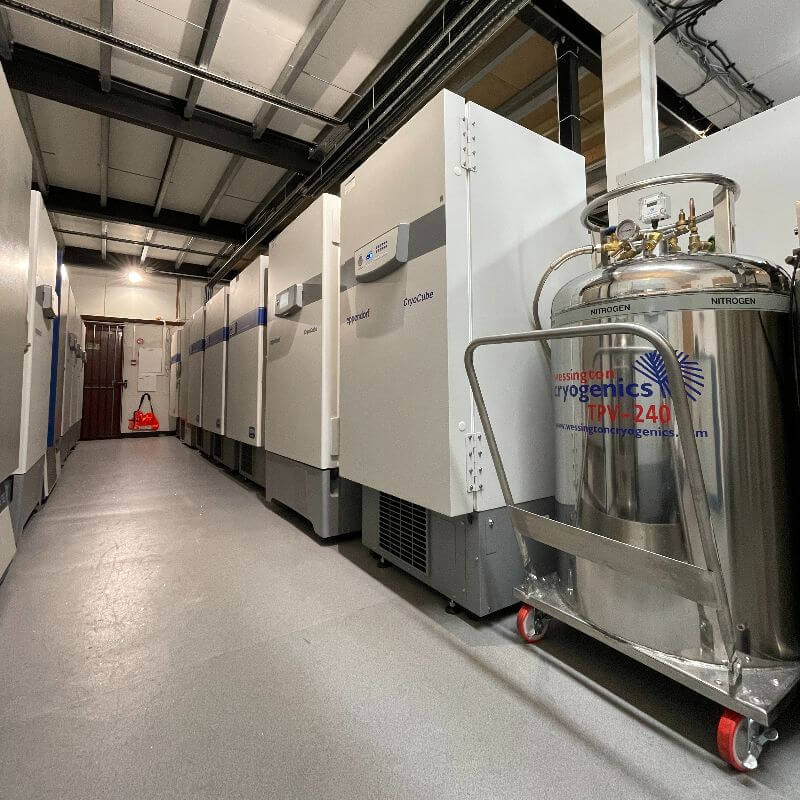
For longer-term storage, PBMCs can be maintained in the vapour phase of liquid nitrogen. Short- to medium-term storage can be undertaken at -80 °C, with the appropriate storage approach and duration determined according to the study requirements.

Following thawing, PBMC quality can be assessed through viability and recovery assessment. The intended downstream assay should be considered when developing the processing and cryopreservation strategy, as sample handling and storage requirements can vary across applications.

hVIVO can:

  • Cryopreserve isolated PBMCs
  • Aliquot PBMCs before freezing
  • Store PBMCs for longer-term use
  • Prepare cryopreserved PBMCs for shipment to another laboratory
  • Use cryopreserved PBMCs for downstream analysis
hVIVO_Lab_Services_Storage_Freezers

What Can PBMCs Be Used for After Isolation?

PBMC processing can form part of a broader laboratory workflow. hVIVO offers a diverse range of laboratory platforms and techniques to support downstream analysis of processed PBMC samples, with the most appropriate approach determined by the study objectives and intended application.

Where a required specialist analysis is not done in-house, hVIVO can prepare and cryopreserve samples for transfer to the sponsor’s laboratory or a specialist external laboratory.

Quality, Training and Validation

The quality of isolated PBMCs can directly influence their suitability for subsequent research and downstream analysis. hVIVO combines controlled processing with quality assessment, trained personnel and study-specific requirements.

Laboratory personnel receive specific training and qualifications to undertake PBMC processing, with requalification performed as needed to maintain consistency in the processing workflow.

*Figures are based on hVIVO laboratory procedures and supporting validation data. Results may vary according to sample characteristics, processing conditions and study-specific requirements.


External Validation

Where required, study-specific external validation can be integrated into the PBMC workflow. This may involve processing sponsor-provided test samples using the proposed workflow, followed by assessment by the sponsor or an external laboratory to confirm suitability for the intended study protocol.

>96%

cell viability*

>96% cell viability*


1 x 10⁷

Cell Recovery

1 x 10⁷ cells per mL of whole blood*

>96%

Post-Thaw Viability

>96% cell viability after thawing*

100%

DNA Extraction

100% extraction success*

Study-Specific PBMC Processing

PBMC processing requirements can vary depending on the sample type, study design, intended downstream analysis and required outputs.

hVIVO can work with study-specific requirements across numerous aspects of the workflow, including:

Sample collection and logistics

Collection tubes

Processing protocols

Processing time requirements

Sample and aliquot volumes

Cryopreservation approach

Quality control requirements

Labelling and sample traceability

Storage requirements

Shipping and sample transfer

Downstream analysis

Why Choose hVIVO for PBMC Processing?

Samples need to reach the relevant processing laboratory within the required timeframe. hVIVO works with sponsors to develop sample collection and transport workflows tailored to study requirements rather than relying on a fixed geographic radius.

  • Experience and expertise: hVIVO combines laboratory experience with expertise in clinical and immunological research, supporting PBMC processing for immunogenicity, biomarker research, immune profiling, oncology and therapeutic development.
  • Flexible processing and logistics: PBMC workflows can be adapted to study-specific requirements, from sample collection and receipt all the way through to processing, cryopreservation, storage, transfer and downstream analysis.
  • Quality of PBMCs obtained: Controlled processing, rapid turnaround and quality assessment are designed to support the viability, recovery and integrity of PBMCs for their intended downstream use.
  • Integrated laboratory and clinical expertise: PBMC processing is part of hVIVO’s wider laboratory and clinical research environment. This allows sample processing to be considered alongside downstream laboratory analysis and the study’s scientific objectives.
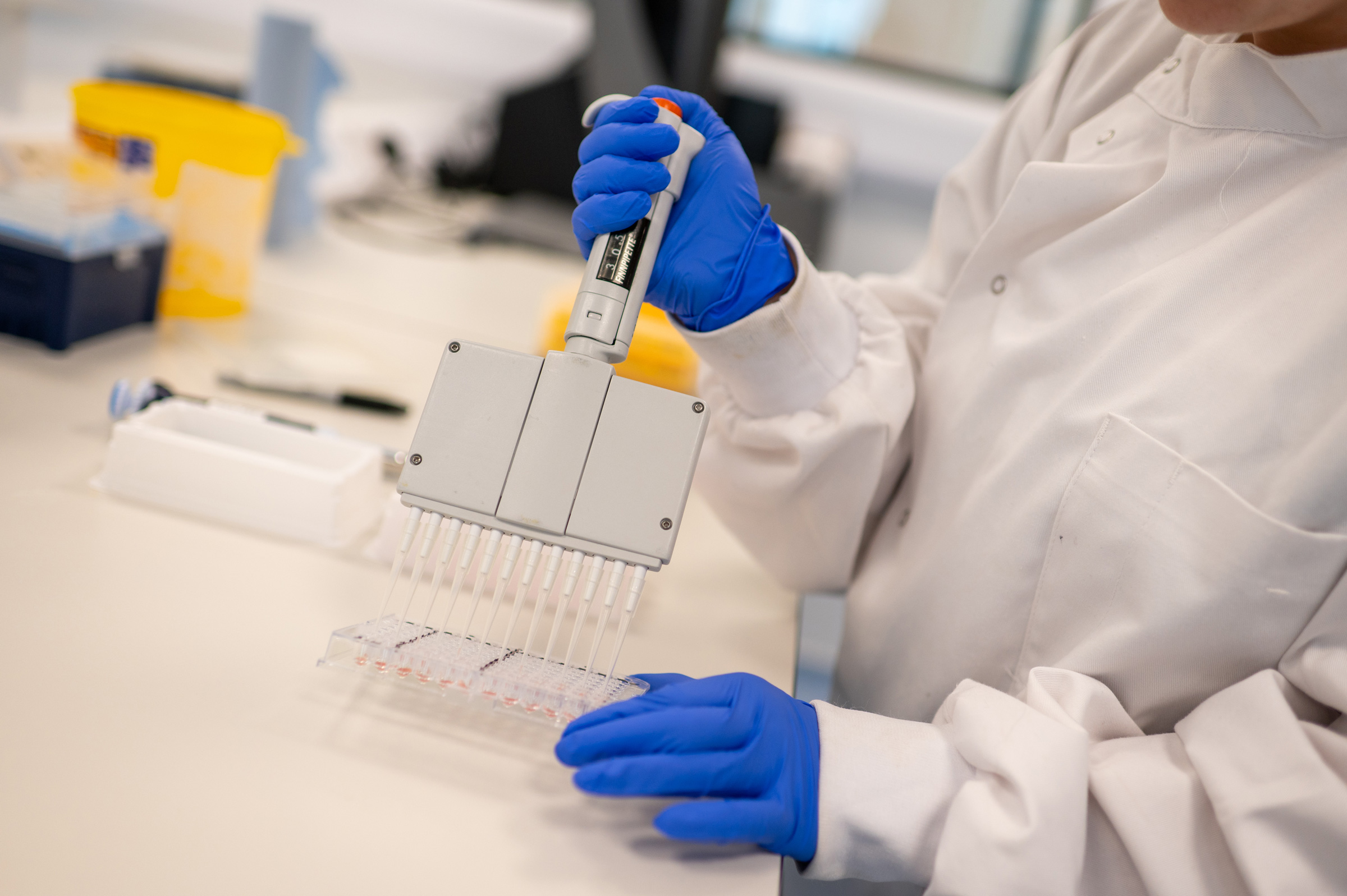
  • PBMC Processing Locations: hVIVO provides PBMC processing from its laboratories in London, UK and Berlin and Mannheim, Germany.
hLAB-2

Global Processing Network for PBMCs

Through a global network of processing laboratory partners hVIVO can provide global processing of PBMCs with downstream processing at our central specialist lab facilities.

About hVIVO

Contact us

hVIVO is your full-service drug development partner operating an integrated ecosystem of clinical sites, advanced laboratories, human challenge expertise, and early phase consulting. This unified model generates rigorous, decision ready human data earlier in development, reducing uncertainty and accelerating progression. With world leading capabilities in respiratory and infectious disease and the largest human challenge facilities globally, hVIVO provides sponsors with the clarity, speed, and reliability needed to advance new medicines with confidence.

PBMCs are commonly used to investigate immune responses, immunogenicity, biomarkers, immune-cell profiles and therapeutic effects. They can support research across therapeutic areas including immunology, infectious disease and oncology.

PBMC isolation is the process of separating peripheral blood mononuclear cells (PBMCs) from other components of a blood sample. hVIVO uses density-gradient centrifugation (DGC), with CPT® tubes as the standard approach and Ficoll density media separation available as an alternative where required, followed by cell counting and quality assessment.

hVIVO can process PBMCs from fresh whole blood and leukapheresis products. Bone marrow can also be processed, where appropriate, to meet the study requirements.

PBMC samples should ideally be processed as soon as possible following collection. hVIVO works to a target of less than 4 hours from receipt to processing, with same-day processing preferred.

PBMC quality can deteriorate following blood collection. Delays may affect cell viability, recovery and cellular characteristics, potentially influencing downstream analysis. Rapid processing helps support sample quality and study readouts.

Yes. Leukapheresis can be used when a substantially larger quantity or volume of PBMCs is required, including for studies involving large-scale downstream analysis.

Following isolation and preparation, PBMCs can be aliquoted and cryopreserved under controlled conditions. Long-term storage is usually in liquid nitrogen vapour, while -80 °C can be used for short- to medium-term storage.

Yes, where appropriate to the intended assay and study needs. Post-thaw viability and recovery can be assessed to evaluate the sample’s quality following thawing.

Depending on the study and assay requirements, hVIVO’s laboratory capabilities can support flow cytometry, immunophenotyping, ELISpot, FluoroSpot, ELISA, multiplex cytokine analysis, cellular and functional assays, biomarker analysis and DNA/RNA molecular analysis.

Yes! hVIVO can work with study-specific requirements within the parameters of the applicable laboratory processes, quality requirements and agreed study protocol.

Yes. Where specialist analysis is not available in-house, processed and cryopreserved PBMC samples can be prepared for transfer to the sponsor’s laboratory or a specialist external laboratory, in accordance with study requirements.

hVIVO provides PBMC processing from its laboratories in London, UK and Mannheim and Berlin, Germany. The Mannheim and Berlin laboratories can support sample processing across Germany and surrounding regions, including Poland, Luxembourg, Belgium, Switzerland and North-Eastern France, subject to the required sample collection and transport timeframe.


Yes. PBMC processing is not limited to hVIVO’s traditional therapeutic areas and can support oncology and immuno-oncology research when peripheral immune cells or cellular responses are relevant to the study’s scientific objectives.

Quality assessment can include cell counting, viability and recovery assessment. For cryopreserved PBMCs, post-thaw viability and recovery can also be assessed. Additional study-specific quality control requirements can be incorporated where appropriate.

PBMC Processing Locations

Find and connect with our European teams—ready to support your clinical development programmes wherever you are.

Contact Us