
The Model
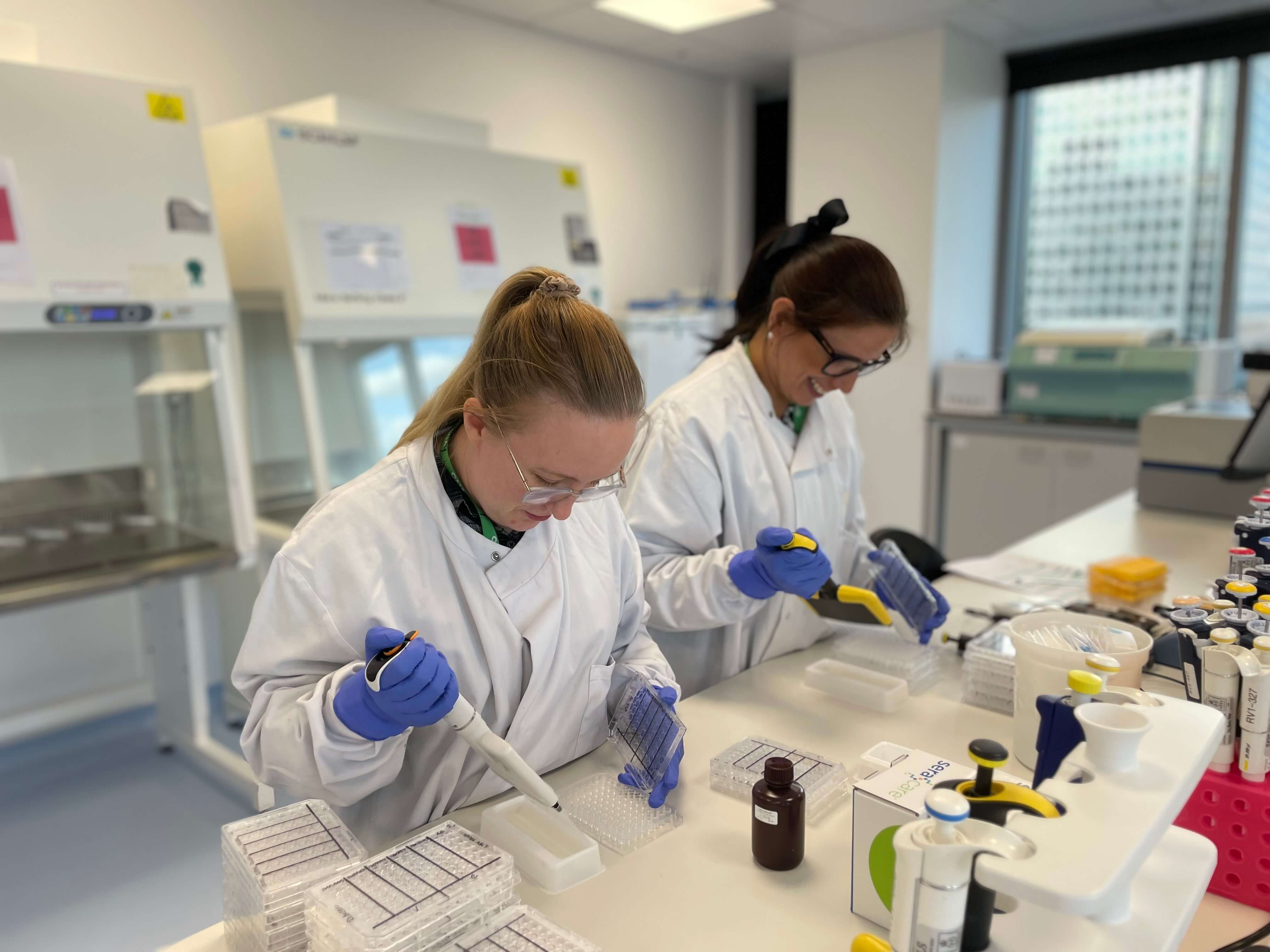
We have an approved and well characterised rhinovirus (HRV‑16) that has been used to safely infect individuals in a large number of viral challenge studies carried out at our main containment unit in London.
Markers associated with the primary endpoints for HRV studies — such as infection rates (measured by viral shedding: peak viral load and viral area under curve (vAUC)) and disease (the clinical syndrome or symptoms associated with experimental infection) — are consistent and may be captured from the time of inoculation through to recovery and discharge of the subject.
Participants for a rhinovirus study are pre‑screened for anti‑HRV‑16 antibodies to look for immunity to the challenge virus. Naïve or serosusceptible individuals are progressed to further screening relating to protocol associated inclusion and exclusion criteria. Over 373 subjects have been safely infected with HRV to date and this model is widely accepted and practiced across the globe in the investigation of new treatments for the common cold.
As the industry leader in conducting human viral challenge studies, we have developed a large Virobase, of clinical data paired with virological data, host genetics and immunology combined with an extensive biorepository of blood and respiratory samples. This “Virometrics” resource, in conjunction with our unique insight into the host response to viral disease, allows us to tailor study designs to each IMP.
Vaccines
Conceptual Challenges:
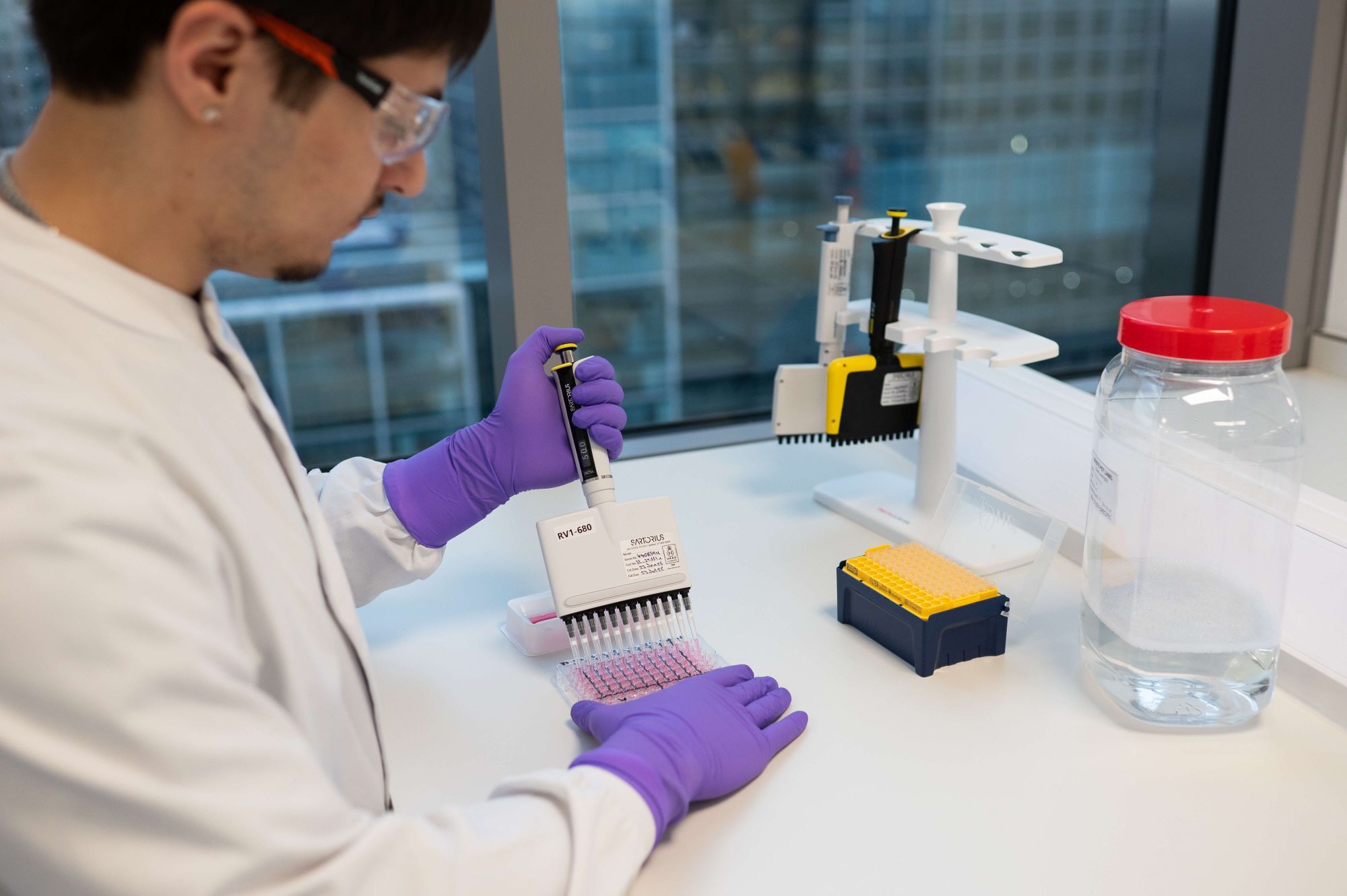
Demonstrating efficacy of novel vaccines in the field is time-consuming, costly and associated with risk.
- Initial exposure to virus unknown
- Variation in circulating strains
- Large study size and duration
- Difficult to power for clinical efficacy
- Seasonality limitations
Our Human Challenge Models: Towards a deeper understanding
- Effective exploration of vaccine efficacy & correlates of protection
- Match study design to product mechanism of action
- Immunological Assays
- Host Response Analysis
Primary & Secondary Endpoints:
- Reduction in incidence of symptomatic infection
- Reduction in disease severity
Antivirals/Treatments
Conceptual Challenges:
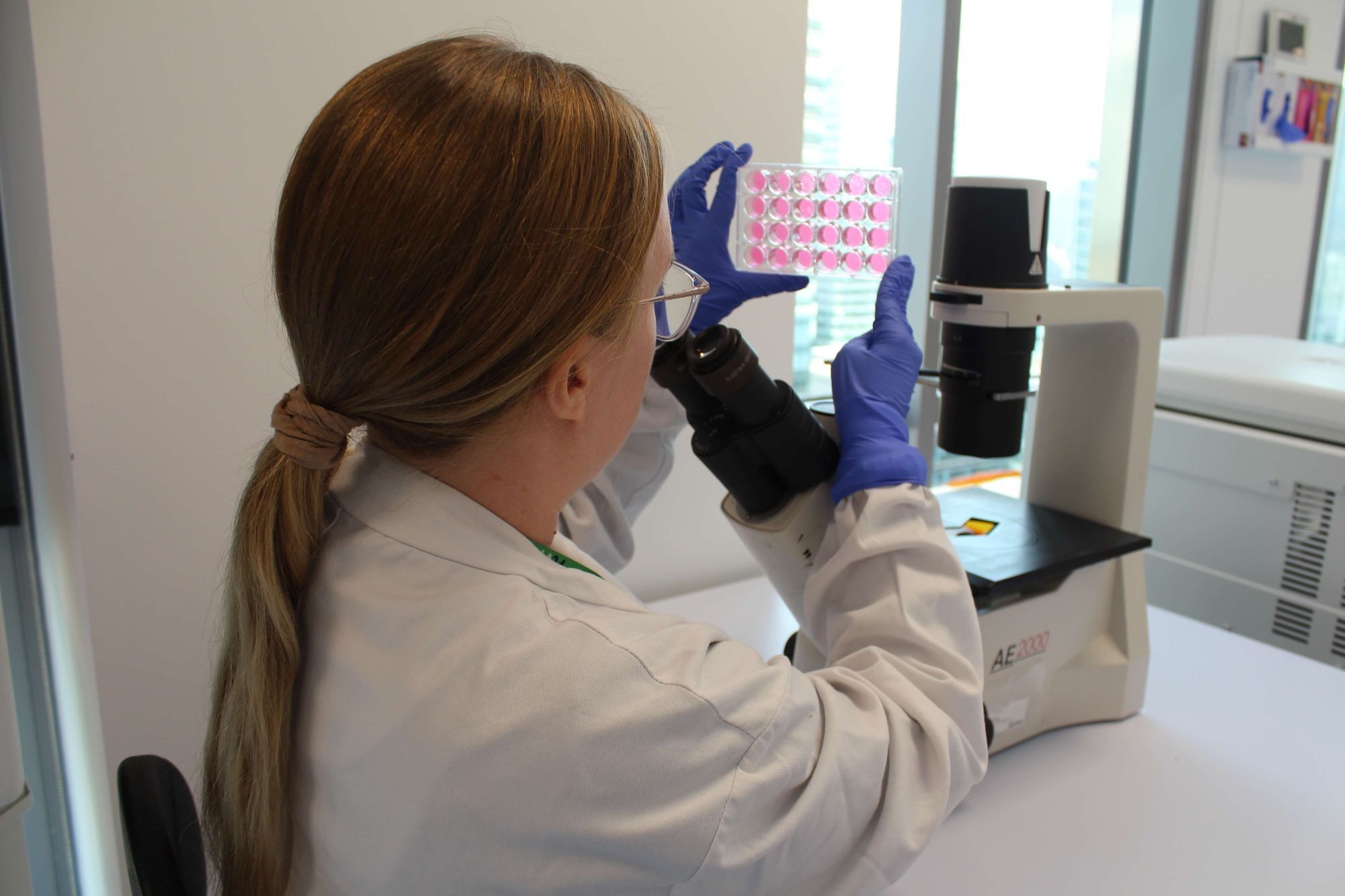
Establishing efficacy of antivirals in early clinical trials is challenging Comor.
Our Human Challenge Models: Towards a deeper understanding
Clinical proof-of concept and dosing finding delivered in a controlled setting
- Study design matched to investigational product mechanism of actions
- Optimisation of treatment timing
- Time-dependent measurements of biomarkers
- Triggered-dosing options (time or virological)
- Controlled strain exposure
- Consistent placebo response
- Efficient resistance monitoring
Immunomodulators
Conceptual Challenges:
Demonstrating clinical efficacy in early stage field trials is challenging.
- Baseline prior to infection unachievable, difficult to establish host response
- Effect with/without standard of care treatment difficult to establish
- Large study size and duration
- Circulating strain variation
- Biomarker identification difficult
Our Human Challenge Models: Towards a deeper understanding
Clinical proof-of concept and dosing finding delivered in a controlled setting.
- Well controlled quarantine environments
- Baseline well established prior to infection
- Appropriate for both prophylaxis and treatment
- Flexible dosing and timing
- Establish safety & efficacy to impact infected subjects host response
- Investigate and demonstrate target engagement
- Controlled combination-treatment with drug and standard of care or antivirals
Related Resources
What Small Biotechs Get Wrong About First‑in‑Human Trials

Recruiting for Complex Trials Requires a Different Kind of Engine
Why Modern Site Performance Requires More Than a Site: Lessons from SCRS and the Rise of Integrated Early‑Phase Operations
Why Early Data Management Involvement Is Becoming Essential in the Age of AI
The Early‑Phase Anchor: Why Medical Monitoring Matters Long Before the First Dose

A Stronger Future for UK Clinical Research: Why the New Regulations Align with the Next Era of Early‑Phase Development

Real‑World RSV Maternal Vaccine Data Marks a Turning Point for Infant Protection

A Landmark Moment for Pertussis Vaccine Development — and for the Future of Bacterial Challenge Models
Fast‑Tracking First‑in‑Human: Five Lessons Startups Can’t Afford to Miss

Paper: Mucosal and systemic immune correlates of viral control after SARS-CoV-2 infection challenge in seronegative adults