
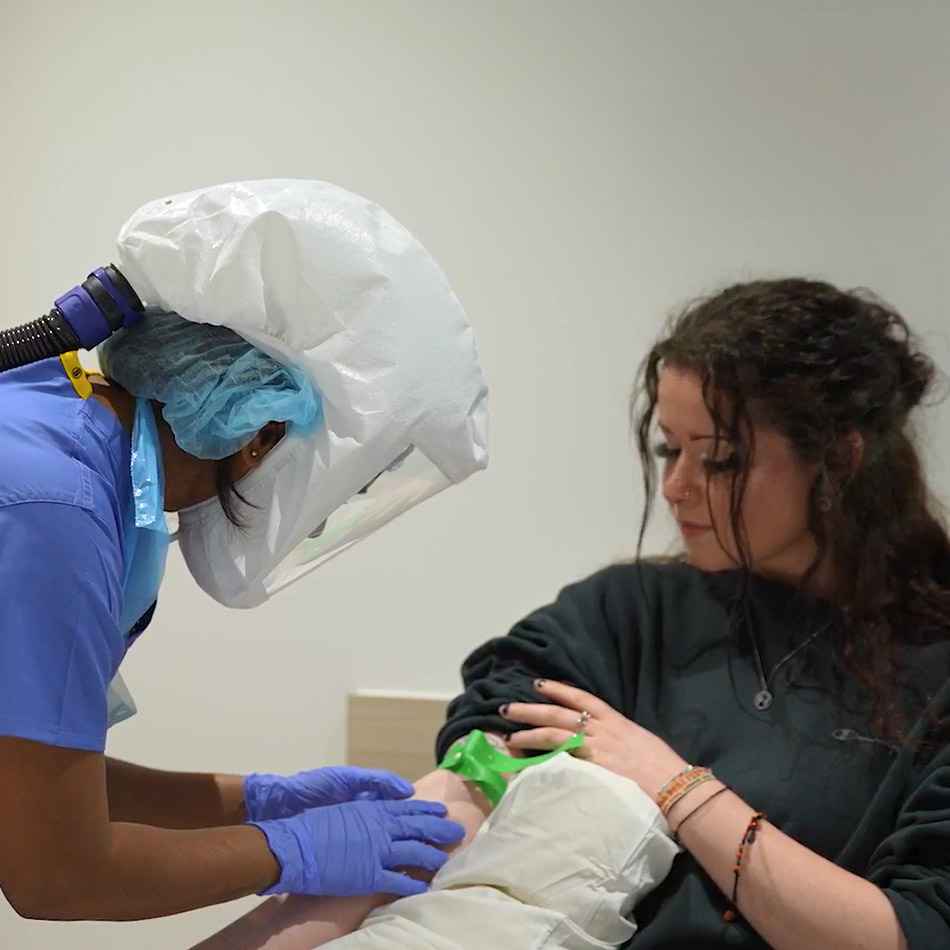
The Challenge
Viral infections are reportedly responsible for approximately 65-80% of asthma and 40% of COPD exacerbations and occur despite appropriate treatments including inhaled corticosteroids (ICS). Recent evidence suggests, particularly in asthma, that allergic airway inflammation driven by TH2 cytokines is induced in the airway during human rhinovirus “HRV” related symptom worsening; with suppressed anti-viral immunity linked to exacerbation severity.
We can help with respiratory human challenge in both asthma and chronic obstructive pulmonary disease (COPD).
Human challenge models have, for many decades, enabled early proof of concept studies to include evaluable efficacy endpoints that can inform subsequent field trials. For many respiratory diseases, exacerbations are the key drivers of patient morbidity, mortality and increased healthcare costs; and therefore, remains a crucial target in the development of new and novel therapies. We have been at the forefront of human challenge models for over 15 years and can offer a suite of challenge models that can expedite and inform clinical development.

Monoclonal Antibodies/Immunoglobulins
Conceptual Overview/Challenge
Immunoglobulins can target the host or the virus itself. A precise approach matching the drug MoA, patient population and study design, including selection of appropriate endpoints in an established viral challenge model is central to maximising trial success.
Utilising our challenge models enables:
- Precise and dynamic measurement of asthma/COPD exacerbation physiology and drug MoA/efficacy
- Provide direct evidence / rationale for MoA and pathway cytokine suppression link to restoration of anti-viral immunity
- Demonstrate direct effect on most common (i.e. viral) cause of asthma exacerbations
- Provide data in patients with mild and/or moderate to severe asthma / COPD to support future strategic development of mAb / immunoglobulins
- Drug efficacy (symptom reduction, preventing reductions in lung function)
- Direct comparison of TH2 high vs. TH2 low asthma, identifying different clinical and biomarker responses in the subtype of patients
- Effect of non-TH2 inhibitors on viral induced exacerbations

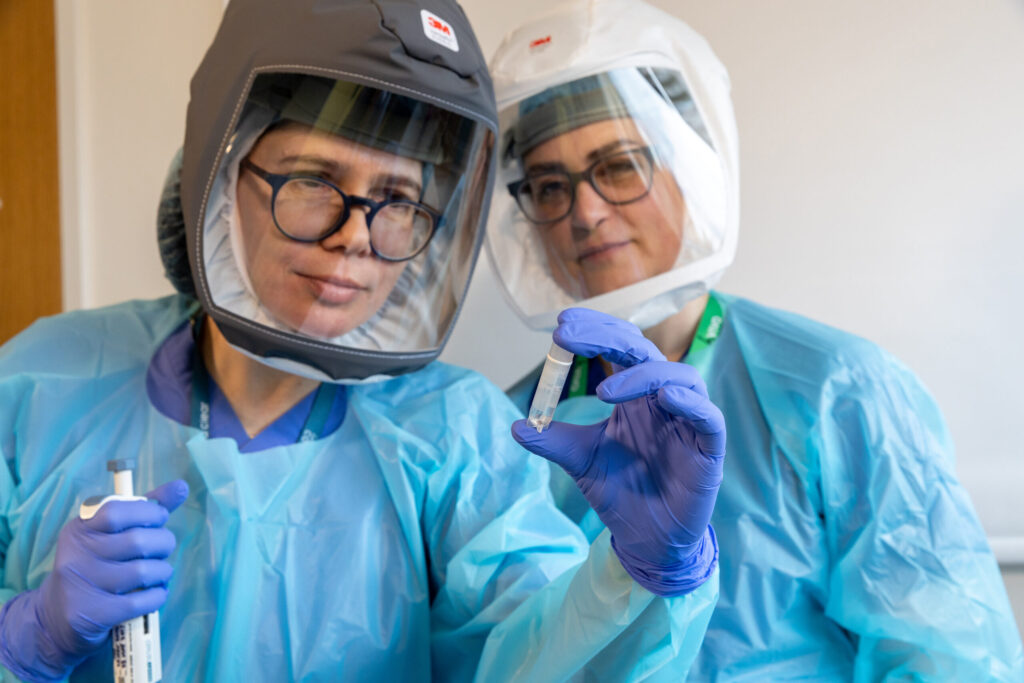
Anti-Inflammatories
The concept of human challenge models has been recognised for many years in the field of anti-inflammatory drug development.
Bronchial allergen challenge is a well-established model with decades of data supporting its use for confirming specific efficacy of anti-inflammatory as add on therapies in allergic asthma and related exacerbations.
The viral exacerbation challenge has been studied extensively over the last 30 years with potential for evaluating the effect anti-inflammatories can have on virally induced exacerbations.
Using our challenge models enables:
- Efficacy evaluation of disease biomarkers, symptom severity and exacerbation frequency/reduction
- Understanding of biomarker modulation in the context of human disease: protein / transcriptomics pathway modulation
- Analysis of target engagement in human disease model

Related Resources
Why Modern Site Performance Requires More Than a Site: Lessons from SCRS and the Rise of Integrated Early‑Phase Operations
Why Early Data Management Involvement Is Becoming Essential in the Age of AI
A Stronger Future for UK Clinical Research: Why the New Regulations Align with the Next Era of Early‑Phase Development

Real‑World RSV Maternal Vaccine Data Marks a Turning Point for Infant Protection

A Landmark Moment for Pertussis Vaccine Development — and for the Future of Bacterial Challenge Models
Fast‑Tracking First‑in‑Human: Five Lessons Startups Can’t Afford to Miss

The Early‑Phase Anchor: Why Medical Monitoring Matters Long Before the First Dose

Paper: Mucosal and systemic immune correlates of viral control after SARS-CoV-2 infection challenge in seronegative adults
From RSV to hMPV: Building the Next Generation of Respiratory Challenge Models
Why are Biotech’s & Pharma Using Human Challenge Studies for Drug Development?