
.png?width=64&height=64&name=Melissa_Bevan_2024%20(1).png)
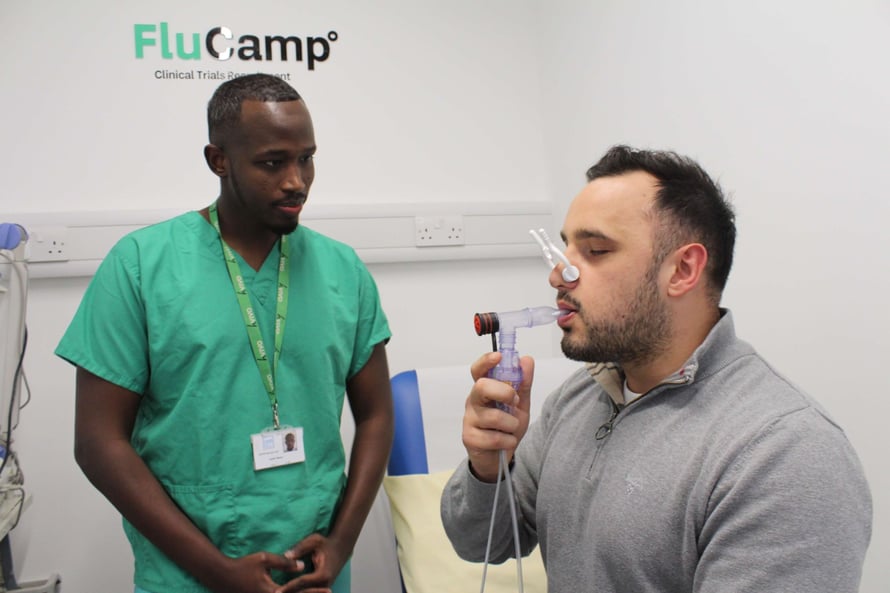
For decades, asthma management barely changed. Inhaled steroids, bronchodilators and variations of the same drug classes dominated treatment, while patients continued to struggle with exacerbations and poor control. Only recently have biologics begun to reshape the landscape, targeting inflammatory mediators and offering relief for subsets of patients. Yet even with these advances, asthma — and airway disease more broadly — remains a major unmet need.
Looking beyond the severe cases
Much of the research to date has focused on the severe end of the spectrum: patients with frequent exacerbations, intensive care admissions or biologic eligibility. These individuals are important, but they represent only part of the story. The mild and moderate patients — who make up most of the burden on healthcare systems — remain under‑represented. They may not end up in hospital, but they still exacerbate, still visit their GP and still receive blanket therapies such as oral steroids or antibiotics that often fail to prevent relapse. These patients drive enormous cost and morbidity, yet their disease biology is poorly understood.
How MAPLE‑UK fills the gap
The MAPLE‑UK study was designed to address this imbalance. Over five years, MAPLE follows patients across the full spectrum of airway disease, from mild asthma to severe COPD. Each participant undergoes baseline assessments, annual follow‑ups and six‑month check‑ins. Crucially, MAPLE captures data during exacerbations themselves: when patients report symptoms of a cold or chest infection, they complete diaries, provide nasal swabs and undergo additional testing. This allows researchers to identify the pathogens and triggers — viral, bacterial or allergen — that drive exacerbations in real time.
Linking biology to better therapies
By connecting these events to phenotyping and endotyping data, MAPLE provides unprecedented insight into airway disease biology. Blood counts, allergy testing and biomarker analysis differentiate eosinophilic, neutrophilic and other inflammatory pathways. This enables researchers and sponsors to match therapies to the right patients, whether biologics, antivirals or novel anti‑inflammatory agents. It also highlights where current treatments fail — for example, the 50% of patients who do not respond to steroids — and points to new therapeutic strategies.
Impact on everyday care
The impact goes beyond drug development. MAPLE’s longitudinal data will inform guidelines, payer decisions and everyday clinical practice. By characterising patients across severities and capturing exacerbations prospectively, MAPLE provides the evidence needed to move away from blanket prescribing and towards precision medicine. It also creates a trial‑ready cohort for sponsors: if a therapy targets mild exacerbators, MAPLE can identify and deliver those patients quickly.
A new era in respiratory medicine
Respiratory medicine is entering a new era. Biologics have shown what is possible, but the next wave of innovation depends on understanding the full spectrum of airway disease. MAPLE‑UK is the platform that makes that possible — advancing science, guiding therapy and ultimately improving outcomes for the millions of patients who remain underserved.

